Japanese Pantry
What Is Dashi? Japanese Soup Stock and Dashi Packets
だし・だしパック
By the Aoi's Japanese School Lunch team · November 6, 2026 · 3 min read
What dashi is, what's inside a dashi packet, how to make dashi with packets, granules or kombu and bonito flakes, and how to spot an unsalted packet.
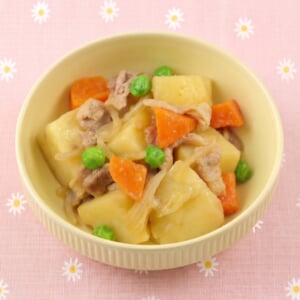
In the video "Cooking Nikujaga: Japan's Cozy, Comforting Meat & Potato Stew," the stew simmers in dashi made with a dashi packet. Dashi is the light soup stock behind much of Japanese cooking, and a dashi packet is an easy way to make it from real ingredients.
What is dashi?
- A light Japanese soup stock. It is usually made from kombu (dried kelp), katsuobushi (dried, smoked bonito flakes) or both.
- The base of everyday Japanese cooking. It goes into miso soup, simmered dishes and noodle soups, and even into egg dishes like tamagoyaki.
What's inside a dashi packet?
- Ground dried ingredients in a tea-bag-style pouch. Most contain katsuobushi and kombu. Some also include niboshi (dried sardines), mackerel flakes or dried shiitake.
- Plain or seasoned. Some packets hold only the dried ingredients. Others also contain salt, sugar, powdered soy sauce or flavor enhancers, so the dashi comes out already seasoned.
- Usually made with fish. Packets with bonito or sardines aren't suitable for anyone avoiding fish.
How it's used in the videos
- 1:18 Water and a dashi packet go into a pot and boil for about 4 minutes. The nikujaga uses 240 ml (about 1 cup) of this dashi.
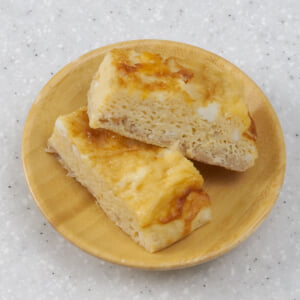
- 0:06 In the tamagoyaki video, dashi goes into the egg mixture along with sugar, salt and mirin.
Three ways to make dashi
- With a packet. Put the packet in cold water, bring it to a boil, simmer for a few minutes, then take the packet out. The package tells you how much water to use and how long to simmer.
- With granules (dashi no moto). Dissolve them in hot water, following the package for the amount. Most contain salt and flavor enhancers, so they taste saltier.
- From scratch. A common starting point is 1 liter of water, 10 g of kombu and 10 to 20 g of bonito flakes. Soak the kombu in the water for about 30 minutes, heat it slowly and take the kombu out just before the water boils. Add the bonito flakes, turn off the heat, wait for them to sink, then strain.
Packets sit in between: they use the same kinds of dried ingredients as homemade dashi, with no straining.
Is it salted? Check the label
- Read the ingredient list. If it lists only things like bonito, kombu, sardines and shiitake, it's plain. If it also lists salt, sugar, soy sauce, yeast extract or "seasoning (amino acids)," it's seasoned.
- Look for 食塩無添加 or 無塩 ("no added salt") on Japanese packages.
- Using a seasoned packet? Add the recipe's soy sauce a little at a time and taste as you go.
- Avoiding wheat? Seasoned packets made with soy sauce usually contain wheat, so check the label.
Can't find it?
- Look in Japanese grocery stores and online. Packets may be labeled "dashi pack," "dashi bag" or "dashi tea bag."
- Use dashi granules and go easy on the soy sauce.
- Use a mild, unsalted chicken or vegetable stock. The flavor will be different, but it works in a pinch.
- Avoiding fish? Make stock from kombu and dried shiitake.
The other Japanese items in the nikujaga video: shirataki noodles and the drop lid.
Related recipes
- Nikujaga (Japanese Meat and Potato Stew): the nikujaga from the video
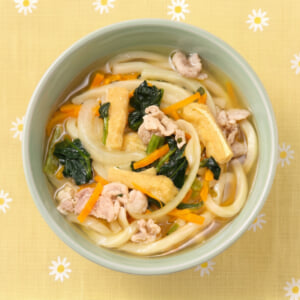
- Nikomi Udon (Simmered Udon Soup): made with a dashi packet
- Tuna Tamagoyaki (Baked Japanese Omelet): the tuna and onion omelet from the tamagoyaki video
- Miso Soup with Komatsuna and Aburaage
- Komatsuna Nibitashi (Simmered Greens in Dashi)