Japanese Pantry
Shirataki: Japanese Konjac Noodles
しらたき(白滝)
By the Aoi's Japanese School Lunch team · November 2, 2026 · 2 min read
What shirataki noodles are, why Aoi boils them before they go into nikujaga, where to find them outside Japan, and what to use instead.
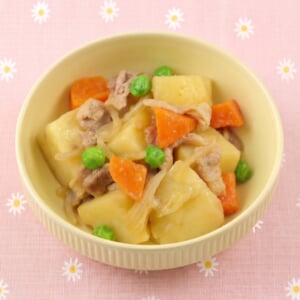
In the video "Cooking Nikujaga: Japan's Cozy, Comforting Meat & Potato Stew," shirataki noodles simmer with the potatoes, carrot, onion and pork. Shirataki are thin, translucent noodles made from konjac.
What is shirataki?
- Noodles made from konjac. Konjac (konnyaku) is a plant with a large, starchy root. Its flour is mixed with water and set with an alkaline ingredient, then pressed through small holes into thin strands.
- Mostly water. Shirataki has very few calories and almost no flavor of its own. It takes on the taste of the broth and adds a springy, chewy bite.
- Sold in packs of water. In Japan you'll find it in the refrigerated section, next to the tofu. Ito-konnyaku is a similar product; the name and thickness vary by region.
How it's used in the video
- 0:42 The shirataki is cut into 5 cm (2 inch) pieces.
- 0:45 It's blanched in boiling water to remove any odor.
- 0:47 It's rinsed under running water and drained well.
- 1:05 It goes into the pot with the sugar and dashi and simmers with the other ingredients.
Why boil it first?
- To remove the smell. The alkaline ingredient that sets konjac leaves a slight odor. A quick boil and rinse takes it away.
- For better texture. Boiling drives out some of the water, so the noodles are firmer and take on the seasoning more easily.
- Check the package. Some brands are labeled as not needing this step.
Tips
- Cut it short for young children. Shirataki is slippery and chewy and doesn't break down easily. Cut it into short pieces and make sure children chew well.
- Drain it well. Water left on the noodles thins out the broth.
Can't find it?
- Look in the refrigerated section of Asian grocery stores and many supermarkets, near the tofu. It may be labeled "shirataki," "konjac noodles" or "yam noodles," and is often sold as a low-carb noodle.
- Tofu shirataki is a softer version mixed with tofu. It works too, but it contains soy.
- Use glass noodles instead. Mung bean or sweet potato starch noodles (harusame) work. Prepare them as the package says and add them near the end, since they soften quickly and soak up the broth.
- Or leave it out. The stew is still delicious without it.
The other Japanese items in this video: dashi packets and the drop lid.