Danshaku Potato: Japan's Floury "Baron" Potato
男爵いも
 By Aoi, licensed nutritionist · September 26, 2026 · 4 min read
What Danshaku (Irish Cobbler) potatoes are, why they fall apart in curry, how I handle them in my school lunch curry, and floury potatoes to use abroad.
Danshaku potatoes (男爵いも, danshaku-imo) are a round, floury potato and one of the best-known potato varieties in Japan. They turn fluffy when cooked, which is lovely for mash and croquettes, but it also means they break apart easily in a simmered dish. I used them in my school lunch curry video, so here is what they are and how I handle them.
What it is
Danshaku is a long-established potato variety with a round shape, a slightly bumpy surface and floury, starchy flesh. When you cook it, it becomes hokuhoku, the Japanese word for that dry, fluffy texture.
The name means "baron." Baron Ryukichi Kawada opened a farm in Nanae, near Hakodate in southern Hokkaido, around 1907, and in 1908 he imported seed potatoes of many varieties, traditionally said to come from Britain, and grew them on a trial basis. The potato was later identified as Irish Cobbler, a variety of American origin. In the Taisho era, when the local farmers' association began shipping it as seed potatoes, it was named after his title.
In Japan you will usually find Danshaku next to May Queen (メークイン, mēkuin), a long, smooth potato. May Queen is waxy and keeps its shape when simmered, while Danshaku is floury and falls apart easily. Japanese potato guides often suggest different dishes for each.
How I use it in the video
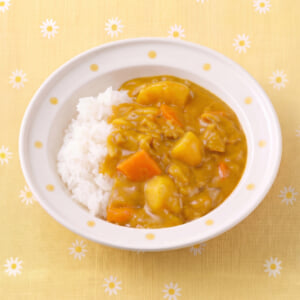
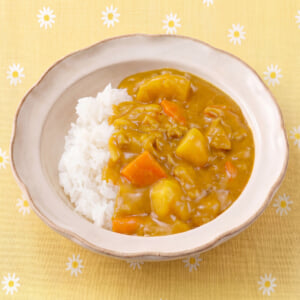
- 0:30 I recommend May Queen for curry because it doesn't fall apart easily, and it's what I use for school lunch too. I can't find May Queen in Okinawa, though, so I make this curry with Danshaku.
- 4:07 I cut the potato into thick quarter-rounds. Danshaku is starchy and crumbles easily, so I cut it a little bigger than usual.
- 4:20 I soak the cut potato in water for about 5 minutes. This helps stop it from turning brown and takes away some of the harsh taste, and rinsing off the surface starch makes it less likely to stick or scorch.
- 5:57 When I stir-fry the potato, I coat it in oil. The oil makes it harder for water to soak in, which helps the pieces hold together.
- 8:50 Once the roux is in, the curry scorches easily, so I turn the heat to low and stir from the bottom now and then.
- 9:06 This is the point where Danshaku breaks apart most easily, so I stir very gently.
- 10:08 In the nursery school version, the potato is already very soft, so I mix it gently there too.
Tips
- Cut it a little large. If the edges soften, you still have a proper piece of potato left in the bowl.
- Stir from the bottom, slowly. Scrape the bottom of the pot with a spatula every so often, but gently.
- A little crumbling is fine. A few softened edges simply blend into the sauce. A curry made with Danshaku won't look quite as neat as one made with May Queen.
- For freezing, as I note in the recipe under the video, mash the potato before you freeze the curry. Cool it quickly (spread it out thin, and don't leave the pot out at room temperature, even overnight), then freeze it flat in single portions and use it within about 2 weeks.
- Remove sprouts and green skin. Danshaku has deep eyes, so dig out any sprouts completely, along with the area around them, and peel away any green skin until no green is left. These parts contain natural toxins (solanine and chaconine). Store potatoes in a cool, dark, well-ventilated place so they don't sprout or turn green.
- Other uses. Danshaku is well suited to mashed potatoes, potato salad and korokke (croquettes).
If you can't find it
If you can't find Danshaku where you live, a floury (starchy) potato will behave in a similar way. If you'd rather have neat pieces, like my school lunch curry, a waxy potato is the closer choice.
- United States: Russet potatoes have a light, fluffy texture, so they are probably the nearest to Danshaku. Yellow potatoes have a smoother, denser texture.
- UK and Ireland: Maris Piper, King Edward and Rooster are sold as fluffy (floury) varieties.
- Australia: Coliban and King Edward are floury, and Sebago is an all-rounder. Nicola and Dutch Cream are waxy, like May Queen.
With any floury potato, the same steps help: cut it a little large, soak it, coat it in oil and stir gently.
Related recipes
- Japanese Curry Rice with Store-Bought Roux (the recipe from my video)
- Japanese Curry Rice: our preschool curry made from scratch with curry powder, cheese and milk
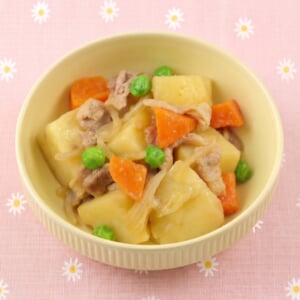
- Nikujaga (Japanese Meat and Potato Stew): meat-and-potato stew, where the potato is simmered too
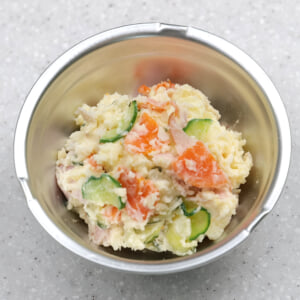
- Potato Salad (Elementary School Portion): a dish floury potatoes suit well
- All recipes with potato