White Fish Paste
白身魚のペースト
 By Aoi, licensed nutritionist · From a Japanese preschool lunch menu
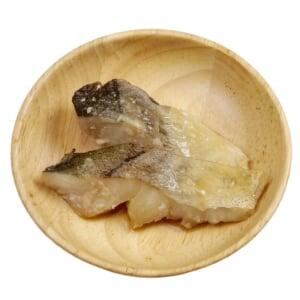
This is about as simple as a fish dish gets: cod is boiled, then blended with kombu dashi until completely smooth. In Japan, lean white fish like cod is one of the first proteins offered to babies, because it is mild in flavor, low in fat and easy to digest. The kombu dashi adds a gentle savory depth without any salt, so even the smallest children at nursery school can enjoy the taste of fish. Serve it on its own or stirred into soft rice or vegetables.
Added. Open the recipe helper (bottom right) → ☰ Menu → 🛒 Shopping list to see the ingredients for your family size.
Printing uses the number of adults and children set under Ingredients, so set those first.

Ingredients
Amounts for 1 child (1 serving). An adult counts as 2 servings.
One serving here is 1.5× the portion served to a child in a Japanese preschool, sized for Western appetites. An adult counts as two servings. Tap an ingredient to check it off.
Ingredients
- 15 gcod
Seasonings
- 22.5 gkombu dashi (kelp stock)A light, savory stock made by steeping dried kombu kelp in water. Substitute: Light vegetable stock, or water with a small pinch of dashi powder.
- to tastepotato starch (katakuriko)Japanese potato starch used for thickening sauces and coating fried foods. Substitute: Cornstarch: start with the same amount and add a little more if it is still thin. It thickens a little less than potato starch and needs a couple of minutes at a gentle bubble to reach full thickness.
About the Japanese ingredients in this recipe
- kombu dashi (kelp stock) (だし汁,昆布)
- A light, savory stock made by steeping dried kombu kelp in water. Substitute: Light vegetable stock, or water with a small pinch of dashi powder.
- potato starch (katakuriko) (かたくり粉)
- Japanese potato starch used for thickening sauces and coating fried foods. Substitute: Cornstarch: start with the same amount and add a little more if it is still thin. It thickens a little less than potato starch and needs a couple of minutes at a gentle bubble to reach full thickness. Read the guide: Katakuriko (Japanese Potato Starch) and What to Use Instead → Guide: japanese-school-lunch.com/articles/katakuriko-potato-starch/
Directions
- 1
Boil the cod, then blend it with the kombu dashi in a blender until smooth.
Nutrition
| Per | 1 serving | 1 adult serving | Your total |
|---|---|---|---|
| Energy | 12 kcal | 24 kcal | 12 kcal |
| Protein | 2.7 g | 5.4 g | 2.7 g |
| Fat | 0 g | 0 g | 0 g |
| Carbohydrates | 0.2 g | 0.3 g | 0.2 g |
| Fiber | 0 g | 0 g | 0 g |
| Salt equivalent | 0 g | 0 g | 0 g |
| Calcium | 4.5 mg | 9 mg | 4.5 mg |
| Iron | 0 mg | 0 mg | 0 mg |
| Potassium | 84 mg | 168 mg | 84 mg |
| Energy | Protein | Fat | Carbs | Fiber | Salt equiv. | Calcium | Iron | Potassium | |
|---|---|---|---|---|---|---|---|---|---|
| 1 serving | 12 kcal | 2.7 g | 0 g | 0.2 g | 0 g | 0 g | 4.5 mg | 0 mg | 84 mg |
| 1 adult serving | 24 kcal | 5.4 g | 0 g | 0.3 g | 0 g | 0 g | 9 mg | 0 mg | 168 mg |
Values are per serving (1.5× the Japanese preschool portion); an adult serving is double. They were calculated by a licensed Japanese nutritionist using the Standard Tables of Food Composition in Japan. "Salt equivalent" is sodium × 2.54, the standard Japanese measure. Allergen flags cover egg, milk and wheat only and come from the nutritionist's records. Soy sauce and miso are made with wheat but are usually allowed on Japanese wheat-free school menus, so check with your doctor.