Kinako Toast
きな粉トースト · Kinako Toast
 By Aoi, licensed nutritionist · From a Japanese preschool lunch menu
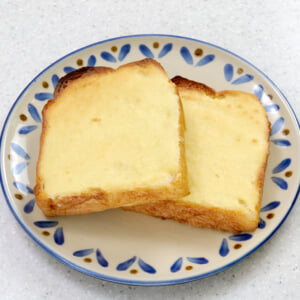
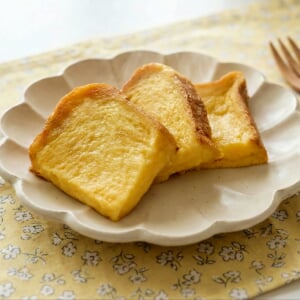
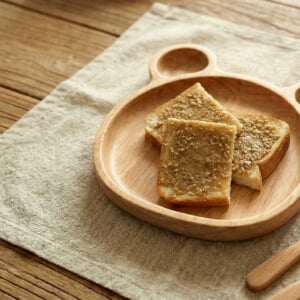
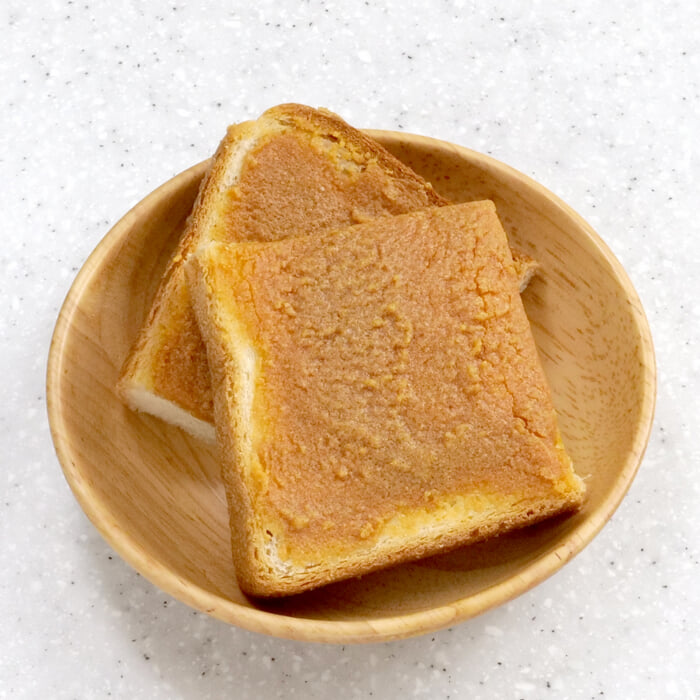
Kinako is roasted soybean flour, a nutty, faintly sweet staple of Japanese confectionery that is most often dusted over mochi or dango. Here it is mixed with melted butter and a little sugar, spread on soft white bread and baked until the topping sets - an easy afternoon snack that smells wonderfully toasty. The gentle sweetness and soft-crisp texture make it a favorite with small children, and the soybean flour adds a little protein and fiber. If you cannot find kinako at a Japanese grocer, look in health-food stores for roasted soy flour.
Added. Open the recipe helper (bottom right) → ☰ Menu → 🛒 Shopping list to see the ingredients for your family size.
Printing uses the number of adults and children set under Ingredients, so set those first.
Ingredients
Amounts for 1 child (1 serving). An adult counts as 2 servings.
One serving here is 1.5× the portion served to a child in a Japanese preschool, sized for Western appetites. An adult counts as two servings. Tap an ingredient to check it off.
Ingredients
- 45 gwhite sandwich bread
- 4.1 gkinako (roasted soybean flour)A nutty, lightly sweet powder made from roasted ground soybeans, often dusted over mochi or rice. Substitute: No close substitute - look for kinako (sometimes sold as roasted soybean flour) at a Japanese or Asian grocery, or online.
Seasonings
- 5.4 gunsalted butter
- 2.7 gsugar
About the Japanese ingredients in this recipe
- kinako (roasted soybean flour) (きな粉)
- A nutty, lightly sweet powder made from roasted ground soybeans, often dusted over mochi or rice. Substitute: No close substitute - look for kinako (sometimes sold as roasted soybean flour) at a Japanese or Asian grocery, or online.
Directions
Video is in Japanese and may show a different version of this dish (other ingredients or steps). Follow the ingredients and steps on this page, especially when cooking for allergies.
- 1
Mix the melted butter, kinako and sugar together until combined.
- 2
Spread the mixture over the bread and arrange the slices on a baking sheet. Bake in an oven preheated to 160°C (320°F) for about 5 minutes.
Nutrition
| Per | 1 serving | 1 adult serving | Your total |
|---|---|---|---|
| Energy | 178.5 kcal | 357 kcal | 178.5 kcal |
| Protein | 5.6 g | 11.1 g | 5.6 g |
| Fat | 7.4 g | 14.7 g | 7.4 g |
| Carbohydrates | 24.8 g | 49.5 g | 24.8 g |
| Fiber | 2.7 g | 5.4 g | 2.7 g |
| Salt equivalent | 0.6 g | 1.2 g | 0.6 g |
| Calcium | 19.5 mg | 39 mg | 19.5 mg |
| Iron | 0.6 mg | 1.2 mg | 0.6 mg |
| Potassium | 121.5 mg | 243 mg | 121.5 mg |
| Energy | Protein | Fat | Carbs | Fiber | Salt equiv. | Calcium | Iron | Potassium | |
|---|---|---|---|---|---|---|---|---|---|
| 1 serving | 178.5 kcal | 5.6 g | 7.4 g | 24.8 g | 2.7 g | 0.6 g | 19.5 mg | 0.6 mg | 121.5 mg |
| 1 adult serving | 357 kcal | 11.1 g | 14.7 g | 49.5 g | 5.4 g | 1.2 g | 39 mg | 1.2 mg | 243 mg |
Values are per serving (1.5× the Japanese preschool portion); an adult serving is double. They were calculated by a licensed Japanese nutritionist using the Standard Tables of Food Composition in Japan. "Salt equivalent" is sodium × 2.54, the standard Japanese measure. Allergen flags cover egg, milk and wheat only and come from the nutritionist's records. Soy sauce and miso are made with wheat but are usually allowed on Japanese wheat-free school menus, so check with your doctor.