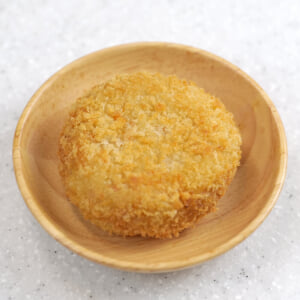
Tonkatsu (Japanese Pork Cutlet)
とんかつ · Tonkatsu
 By Aoi, licensed nutritionist · From a Japanese preschool lunch menu
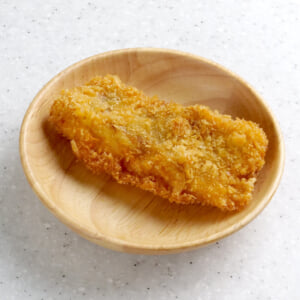
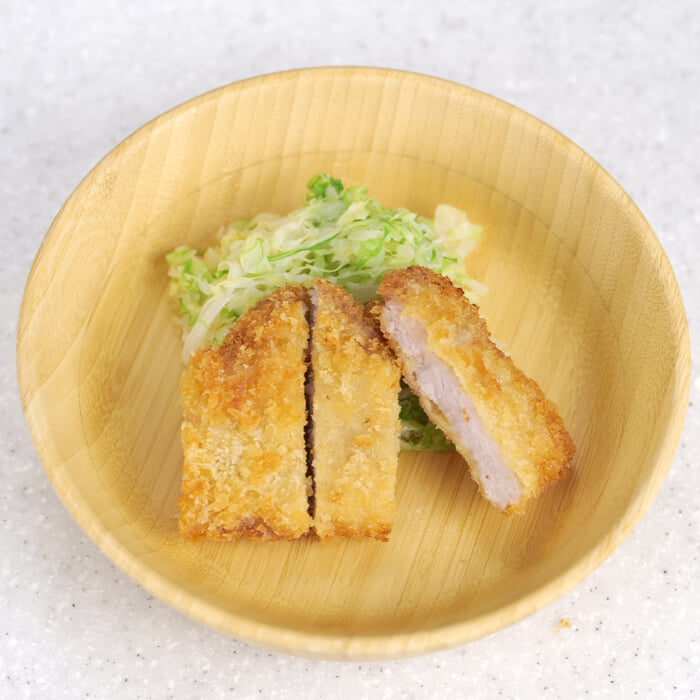
Tonkatsu is Japan's beloved panko-crusted pork cutlet, one of the Western-inspired dishes (yoshoku) that took hold in the Meiji era and is now a fixture of home cooking, bento boxes and school lunch alike. Children love the crunchy golden coating, and the mild seasoning lets the sweetness of the pork come through. In this preschool version, the pork is scored, pounded and salted before frying at a gentle temperature, so the cutlets stay soft enough for small mouths even after they have cooled on the lunch tray. A quick egg-and-flour batter replaces the usual separate dredging steps, which makes coating a whole batch much easier.
Added. Open the recipe helper (bottom right) → ☰ Menu → 🛒 Shopping list to see the ingredients for your family size.
Printing uses the number of adults and children set under Ingredients, so set those first.
Ingredients
Amounts for 1 child (1 serving). An adult counts as 2 servings.
One serving here is 1.5× the portion served to a child in a Japanese preschool, sized for Western appetites. An adult counts as two servings. Tap an ingredient to check it off.
Ingredients
- 67.5 gpork loin
Seasonings
- 0.2 gsalt
- to tastepepper
- 7.1 gegg
- 4.9 gflour
- 4.2 gwater
- 9 gpanko
- 9 gvegetable oil
Directions
- 1
Along the line where the lean meat meets the fat, make small cuts with the tip of your knife every 1 cm to sever the sinew. Turn the pork over and do the same on the other side. Pound the meat with the back of the knife to break up the fibers even more. Cut into individual portions.
- 2
Sprinkle with salt and pepper and let sit for about 15 minutes. If any liquid has come to the surface, pat it dry with paper towels.
- 3
Mix the egg, flour and water thoroughly to make a batter and dip the pork in it (eggs vary in size, so add the water gradually while checking the consistency; aim for something about as thick as pancake batter), then coat with panko. Press the panko on lightly from the top so it sticks.
- 4
Fry in oil at 150°C (300°F) for about 6 minutes, turning the cutlets over after the first 3 minutes.
Scoring the sinew thoroughly, salting the meat, and frying at a low temperature are what keep these cutlets tender even after they have cooled.
Nutrition
| Per | 1 serving | 1 adult serving | Your total |
|---|---|---|---|
| Energy | 429 kcal | 858 kcal | 429 kcal |
| Protein | 17.5 g | 35.1 g | 17.5 g |
| Fat | 34.3 g | 68.7 g | 34.3 g |
| Carbohydrates | 16.4 g | 32.7 g | 16.4 g |
| Fiber | 1.2 g | 2.4 g | 1.2 g |
| Salt equivalent | 0.5 g | 0.9 g | 0.5 g |
| Calcium | 16.5 mg | 33 mg | 16.5 mg |
| Iron | 0.8 mg | 1.5 mg | 0.8 mg |
| Potassium | 259.5 mg | 519 mg | 259.5 mg |
| Energy | Protein | Fat | Carbs | Fiber | Salt equiv. | Calcium | Iron | Potassium | |
|---|---|---|---|---|---|---|---|---|---|
| 1 serving | 429 kcal | 17.5 g | 34.3 g | 16.4 g | 1.2 g | 0.5 g | 16.5 mg | 0.8 mg | 259.5 mg |
| 1 adult serving | 858 kcal | 35.1 g | 68.7 g | 32.7 g | 2.4 g | 0.9 g | 33 mg | 1.5 mg | 519 mg |
Values are per serving (1.5× the Japanese preschool portion); an adult serving is double. They were calculated by a licensed Japanese nutritionist using the Standard Tables of Food Composition in Japan. "Salt equivalent" is sodium × 2.54, the standard Japanese measure. Allergen flags cover egg, milk and wheat only and come from the nutritionist's records. Soy sauce and miso are made with wheat but are usually allowed on Japanese wheat-free school menus, so check with your doctor.