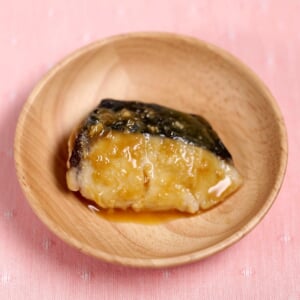
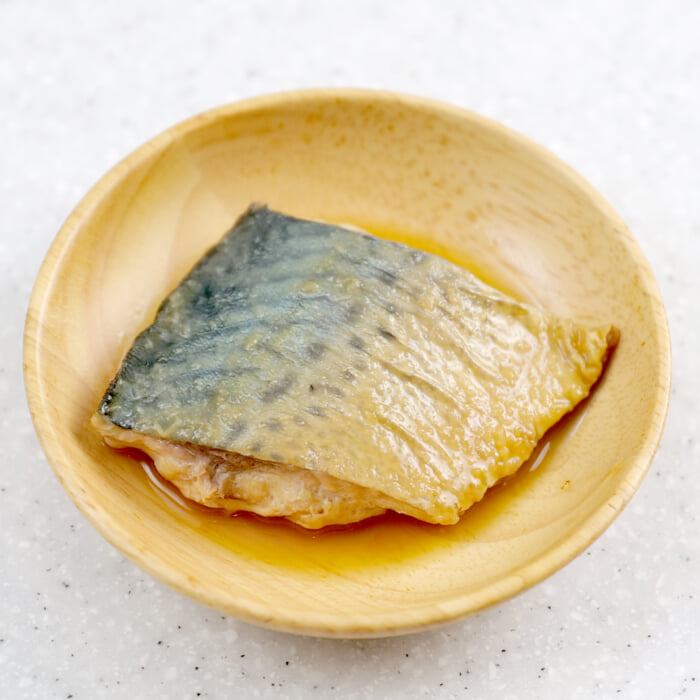
Nizakana (Japanese Simmered Fish)
煮魚 · Nizakana
 By Aoi, licensed nutritionist · From a Japanese preschool lunch menu
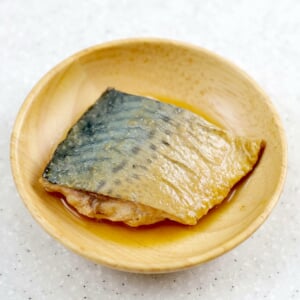
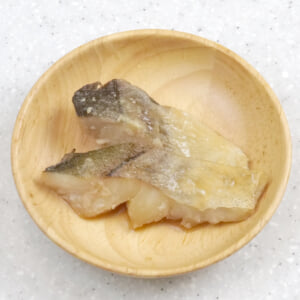
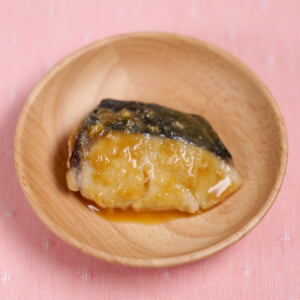
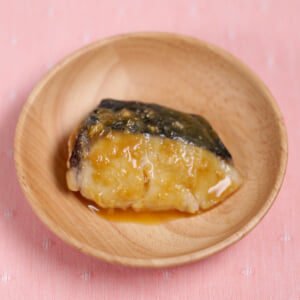
Nizakana simply means "simmered fish" in Japanese, and it is one of the most familiar home-style ways to cook fish in Japan: fillets gently cooked in a sauce of dashi, soy sauce, sugar and mirin with a touch of ginger. The seasoning here is kept mild and slightly sweet, which is exactly the flavor small children take to, and spooning the sauce over rice makes the whole plate disappear. In preschool kitchens we dust the fish with flour and bake it before it goes into the pot, so the fillets come out fluffy and do not fall apart during simmering.
Added. Open the recipe helper (bottom right) → ☰ Menu → 🛒 Shopping list to see the ingredients for your family size.
Printing uses the number of adults and children set under Ingredients, so set those first.
Ingredients
Amounts for 1 child (1 serving). An adult counts as 2 servings.
One serving here is 1.5× the portion served to a child in a Japanese preschool, sized for Western appetites. An adult counts as two servings. Tap an ingredient to check it off.
Ingredients
- 67.5 gSpanish mackerel (sawara)A mild, soft-fleshed fish popular in Japan, sold as fillets. Substitute: Any mild white fish fillet such as cod or halibut.
Seasonings
- 2.1 gflour
- 67.5 mldashi stockJapanese soup stock, usually made from kombu (dried kelp) and/or bonito flakes; the base of most Japanese soups and simmered dishes. Substitute: Instant dashi granules dissolved in water, or a mild unsalted chicken or vegetable stock.
- 0.3 gginger paste (tube)Grated ginger sold ready to use in a squeeze tube, a staple in Japanese kitchens. Japanese school lunch kitchens grate fresh ginger for its aroma, but for cooking at home Aoi says the tube works just fine. Tube pastes often contain added salt, oil and other ingredients, so check the label. Substitute: Use freshly grated ginger in the same amount. 1 teaspoon of paste is about 5 g.
- 1.4 gsugar
- 2.4 gsoy sauce
- 1.4 gmirinMirin is a sweet Japanese rice seasoning that adds gentle sweetness and a glossy finish. Hon-mirin (true mirin) contains about 14% alcohol; "mirin-style seasoning" has little or no alcohol. Some alcohol can remain after short cooking. If you prefer no alcohol for children, use the substitute. Substitute: For each tablespoon of mirin, use 1 tablespoon water plus 1 to 2 teaspoons sugar.
About the Japanese ingredients in this recipe
- Spanish mackerel (sawara) (さわら)
- A mild, soft-fleshed fish popular in Japan, sold as fillets. Substitute: Any mild white fish fillet such as cod or halibut.
- dashi stock (だし汁)
- Japanese soup stock, usually made from kombu (dried kelp) and/or bonito flakes; the base of most Japanese soups and simmered dishes. Substitute: Instant dashi granules dissolved in water, or a mild unsalted chicken or vegetable stock.
- ginger paste (tube) (しょうがチューブ)
- Grated ginger sold ready to use in a squeeze tube, a staple in Japanese kitchens. Japanese school lunch kitchens grate fresh ginger for its aroma, but for cooking at home Aoi says the tube works just fine. Tube pastes often contain added salt, oil and other ingredients, so check the label. Substitute: Use freshly grated ginger in the same amount. 1 teaspoon of paste is about 5 g.
- mirin (みりん)
- Mirin is a sweet Japanese rice seasoning that adds gentle sweetness and a glossy finish. Hon-mirin (true mirin) contains about 14% alcohol; "mirin-style seasoning" has little or no alcohol. Some alcohol can remain after short cooking. If you prefer no alcohol for children, use the substitute. Substitute: For each tablespoon of mirin, use 1 tablespoon water plus 1 to 2 teaspoons sugar.
Directions
- 1
Dust the fish with flour, place it on a baking sheet lined with parchment paper, and bake in an oven preheated to 200°C (400°F) for about 10 minutes.
- 2
Combine the dashi stock with the ginger, sugar, soy sauce and mirin and bring to a brief boil.
- 3
Arrange the fish from step 1 in the sauce, cover with a drop lid (otoshibuta) and simmer until the flavors soak in.
- 4
Plate the fish and spoon the simmering liquid over the top.
Coating the fish in flour and baking it first takes away any fishy smell, and it also gives a soft, fluffy texture and keeps the fillets from falling apart while they simmer.
Nutrition
| Per | 1 serving | 1 adult serving | Your total |
|---|---|---|---|
| Energy | 127.5 kcal | 255 kcal | 127.5 kcal |
| Protein | 14 g | 27.9 g | 14 g |
| Fat | 6.6 g | 13.2 g | 6.6 g |
| Carbohydrates | 3.9 g | 7.8 g | 3.9 g |
| Fiber | 0 g | 0 g | 0 g |
| Salt equivalent | 0.5 g | 0.9 g | 0.5 g |
| Calcium | 10.5 mg | 21 mg | 10.5 mg |
| Iron | 0.6 mg | 1.2 mg | 0.6 mg |
| Potassium | 385.5 mg | 771 mg | 385.5 mg |
| Energy | Protein | Fat | Carbs | Fiber | Salt equiv. | Calcium | Iron | Potassium | |
|---|---|---|---|---|---|---|---|---|---|
| 1 serving | 127.5 kcal | 14 g | 6.6 g | 3.9 g | 0 g | 0.5 g | 10.5 mg | 0.6 mg | 385.5 mg |
| 1 adult serving | 255 kcal | 27.9 g | 13.2 g | 7.8 g | 0 g | 0.9 g | 21 mg | 1.2 mg | 771 mg |
Values are per serving (1.5× the Japanese preschool portion); an adult serving is double. They were calculated by a licensed Japanese nutritionist using the Standard Tables of Food Composition in Japan. "Salt equivalent" is sodium × 2.54, the standard Japanese measure. Allergen flags cover egg, milk and wheat only and come from the nutritionist's records. Soy sauce and miso are made with wheat but are usually allowed on Japanese wheat-free school menus, so check with your doctor.