Oni Manju (Sweet Potato Steamed Cakes)
鬼まんじゅう(乳なし) · Oni Manju
 By Aoi, licensed nutritionist · From a Japanese preschool lunch menu
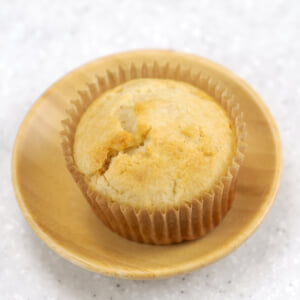
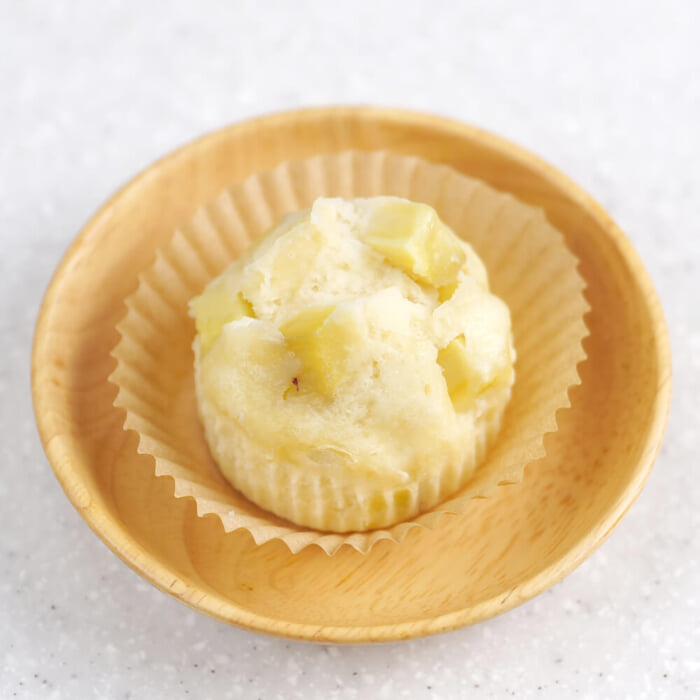
Oni manju are homey steamed cakes packed with chunks of sweet potato, a beloved snack from the Nagoya area of Aichi Prefecture. The name means "ogre buns": the knobbly pieces of sweet potato poking out of the batter are said to look like an ogre's horns or spiked club. Children love the soft, lightly sweet dough and the tender bites of potato, and since this version is made with pancake mix and soy milk, it is simple to put together and free of dairy.
Added. Open the recipe helper (bottom right) → ☰ Menu → 🛒 Shopping list to see the ingredients for your family size.
Printing uses the number of adults and children set under Ingredients, so set those first.
Ingredients
Amounts for 1 child (1 serving). An adult counts as 2 servings.
One serving here is 1.5× the portion served to a child in a Japanese preschool, sized for Western appetites. An adult counts as two servings. Tap an ingredient to check it off.
Ingredients
- 30 gJapanese sweet potato (satsumaimo)A purple-skinned, pale-yellow-fleshed sweet potato that is sweeter, drier, and fluffier than orange varieties. Substitute: Any sweet potato.
- 30 gpancake mixJapanese 'hotcake mix' is a sweetened pancake mix of flour, sugar, and leavening, often used as a shortcut baking mix. Brands differ, and some contain milk or egg, so check the label if you are cooking for a food allergy. Substitute: Sweetened pancake mix, or self-rising flour plus about 2 tablespoons sugar per 100 g.
- 22.5 gsweetened soy milk (Japanese chosei tonyu)Japanese 'prepared' soy milk that is lightly sweetened and flavored to taste milder than plain soy milk. Substitute: Regular (original, lightly sweetened) soy milk from the supermarket.
Seasonings
- 2.7 gsugar
- 0.2 gsalt
About the Japanese ingredients in this recipe
- Japanese sweet potato (satsumaimo) (さつまいも)
- A purple-skinned, pale-yellow-fleshed sweet potato that is sweeter, drier, and fluffier than orange varieties. Substitute: Any sweet potato.
- pancake mix (ホットケーキミックス)
- Japanese 'hotcake mix' is a sweetened pancake mix of flour, sugar, and leavening, often used as a shortcut baking mix. Brands differ, and some contain milk or egg, so check the label if you are cooking for a food allergy. Substitute: Sweetened pancake mix, or self-rising flour plus about 2 tablespoons sugar per 100 g.
- sweetened soy milk (Japanese chosei tonyu) (調製豆乳)
- Japanese 'prepared' soy milk that is lightly sweetened and flavored to taste milder than plain soy milk. Substitute: Regular (original, lightly sweetened) soy milk from the supermarket.
Directions
- 1
Cut the sweet potato into 1 cm dice and soak in water for about 5 minutes.
- 2
In a bowl, toss the sweet potato with the sugar and salt and let stand for about 10 minutes.
- 3
In a separate bowl, mix the pancake mix and soy milk. Add the sweet potato from step 2 and stir to combine.
- 4
Line ramekins with aluminum foil or paper cups, pour in the batter, and arrange them in a steamer.
- 5
Pour hot water into a frying pan to a depth of about 3 cm and arrange the ramekins from step 4 in it. Cover and steam over high heat for about 15 minutes.
Nutrition
| Per | 1 serving | 1 adult serving | Your total |
|---|---|---|---|
| Energy | 169.5 kcal | 339 kcal | 169.5 kcal |
| Protein | 3.5 g | 6.9 g | 3.5 g |
| Fat | 2.1 g | 4.2 g | 2.1 g |
| Carbohydrates | 36 g | 72 g | 36 g |
| Fiber | 1.8 g | 3.6 g | 1.8 g |
| Salt equivalent | 0.5 g | 0.9 g | 0.5 g |
| Calcium | 49.5 mg | 99 mg | 49.5 mg |
| Iron | 0.6 mg | 1.2 mg | 0.6 mg |
| Potassium | 222 mg | 444 mg | 222 mg |
| Energy | Protein | Fat | Carbs | Fiber | Salt equiv. | Calcium | Iron | Potassium | |
|---|---|---|---|---|---|---|---|---|---|
| 1 serving | 169.5 kcal | 3.5 g | 2.1 g | 36 g | 1.8 g | 0.5 g | 49.5 mg | 0.6 mg | 222 mg |
| 1 adult serving | 339 kcal | 6.9 g | 4.2 g | 72 g | 3.6 g | 0.9 g | 99 mg | 1.2 mg | 444 mg |
Values are per serving (1.5× the Japanese preschool portion); an adult serving is double. They were calculated by a licensed Japanese nutritionist using the Standard Tables of Food Composition in Japan. "Salt equivalent" is sodium × 2.54, the standard Japanese measure. Allergen flags cover egg, milk and wheat only and come from the nutritionist's records. Soy sauce and miso are made with wheat but are usually allowed on Japanese wheat-free school menus, so check with your doctor.