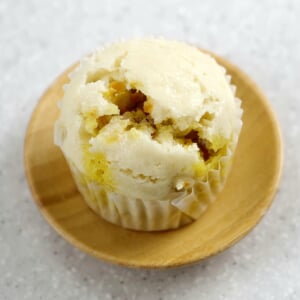
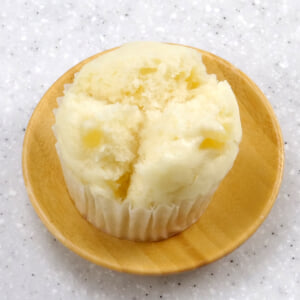
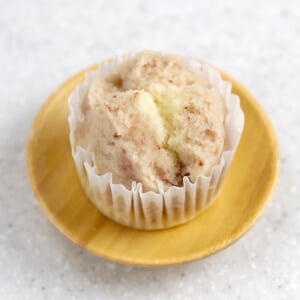
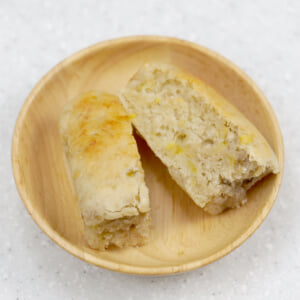
Kokuto Mushipan (Brown Sugar Steamed Cakes)
黒糖蒸しパン · Kokuto Mushipan
 By Aoi, licensed nutritionist · From a Japanese preschool lunch menu
Mushipan are soft, pillowy Japanese steamed cakes, and they are one of the most familiar afternoon snacks in preschool kitchens. This version is sweetened with kokuto, the dark, mineral-rich unrefined cane sugar from Okinawa and the islands of southern Japan, which gives the cakes a gentle caramel flavor without any extra fuss. The batter comes together in one bowl with just five everyday ingredients and no eggs, and because the cakes are steamed rather than baked, they stay moist and tender enough for little ones to enjoy.
Contains kokuto (Japanese brown sugar), which should not be given to babies under 1 year old.
Added. Open the recipe helper (bottom right) → ☰ Menu → 🛒 Shopping list to see the ingredients for your family size.
Printing uses the number of adults and children set under Ingredients, so set those first.
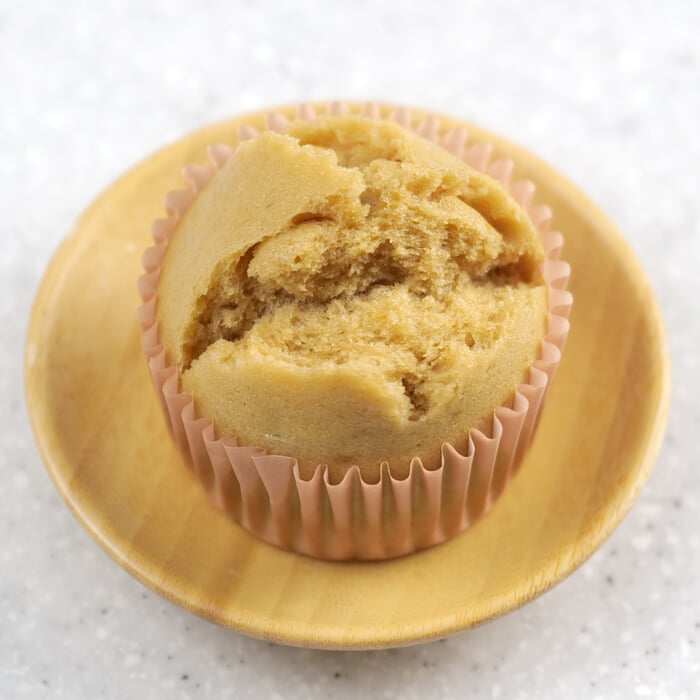
Ingredients
Amounts for 1 child (1 serving). An adult counts as 2 servings.
One serving here is 1.5× the portion served to a child in a Japanese preschool, sized for Western appetites. An adult counts as two servings. Tap an ingredient to check it off.
Ingredients
- 30 gflour
- 27 gmilk
Seasonings
- 1.2 gbaking powder
- 9 gkokuto (Japanese brown sugar)An unrefined dark cane sugar from Okinawa with a deep, molasses-like flavor. Substitute: Dark brown sugar or muscovado.
- 5.4 gvegetable oil
About the Japanese ingredients in this recipe
- kokuto (Japanese brown sugar) (黒砂糖)
- An unrefined dark cane sugar from Okinawa with a deep, molasses-like flavor. Substitute: Dark brown sugar or muscovado.
Directions
- 1
Whisk together the flour, baking powder, and kokuto until well combined.
- 2
Add the milk and mix until almost no dry flour remains, then add the vegetable oil and mix it in.
- 3
Pour the batter into cups, arrange them in a steamer, cover with the lid, and steam over high heat for about 10 minutes.
For children under 1 year old, make these with regular white sugar instead of kokuto (like honey, unrefined kokuto is not recommended for babies).
Nutrition
| Per | 1 serving | 1 adult serving | Your total |
|---|---|---|---|
| Energy | 202.5 kcal | 405 kcal | 202.5 kcal |
| Protein | 3.6 g | 7.2 g | 3.6 g |
| Fat | 6.9 g | 13.8 g | 6.9 g |
| Carbohydrates | 32.6 g | 65.1 g | 32.6 g |
| Fiber | 0.8 g | 1.5 g | 0.8 g |
| Salt equivalent | 0.2 g | 0.3 g | 0.2 g |
| Calcium | 85.5 mg | 171 mg | 85.5 mg |
| Iron | 0.6 mg | 1.2 mg | 0.6 mg |
| Potassium | 219 mg | 438 mg | 219 mg |
| Energy | Protein | Fat | Carbs | Fiber | Salt equiv. | Calcium | Iron | Potassium | |
|---|---|---|---|---|---|---|---|---|---|
| 1 serving | 202.5 kcal | 3.6 g | 6.9 g | 32.6 g | 0.8 g | 0.2 g | 85.5 mg | 0.6 mg | 219 mg |
| 1 adult serving | 405 kcal | 7.2 g | 13.8 g | 65.1 g | 1.5 g | 0.3 g | 171 mg | 1.2 mg | 438 mg |
Values are per serving (1.5× the Japanese preschool portion); an adult serving is double. They were calculated by a licensed Japanese nutritionist using the Standard Tables of Food Composition in Japan. "Salt equivalent" is sodium × 2.54, the standard Japanese measure. Allergen flags cover egg, milk and wheat only and come from the nutritionist's records. Soy sauce and miso are made with wheat but are usually allowed on Japanese wheat-free school menus, so check with your doctor.